

Enhancing Your Refereeing Skills: Mastering Positioning and Movement
Updated: Aug 24
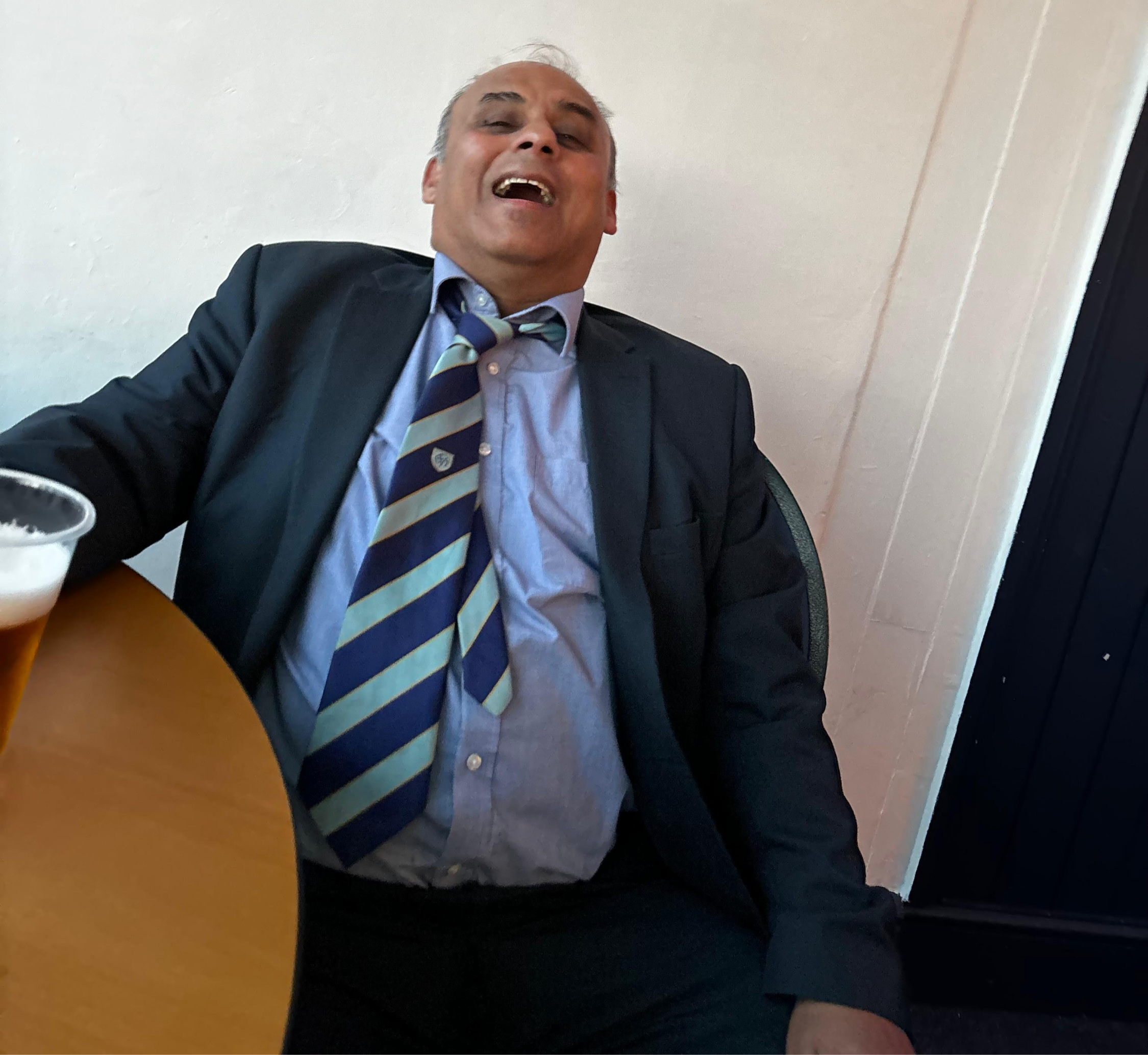
This article has been written by Chad Chaudhuri, Level 5 Match Official, FA Observer, Match Day Coach, Vice Chairman of the Society and AFA Appointments Officer. Drawing on his extensive experience both on and off the field, Chad shares practical guidance to help referees improve their positioning, movement, and overall match control. In this article, he highlights the importance of proactive movement, intelligent positioning, and anticipation in supporting confident, credible decision-making.
To be an effective referee, good positioning and movement are essential. These two factors significantly improve your match control and boost your confidence in decision-making.
Your positioning and movement not only lend you credibility but also enhance your judgment. They are equally important during both open play and set plays. While every game presents unique challenges, some key fundamentals remain constant for every referee.
Positioning and Movement Fundamentals
In open play, aim to be between 15–20 metres from the ball.
Always face the action and look to take the best possible viewing angle.
Keep play in front of you and try to have as many players as possible within your field of vision.
Avoid ball watching. Simply following the ball can lead to running straight up and down the middle of the pitch, limiting your view of key incidents.
Keep moving. Don't become static; small adjustments to your position can make a significant difference.
For dropping balls, adopt a side-on stance. This allows you to observe challenges more effectively while also being able to adjust quickly if the ball is played away.
Anticipate what will happen next. Read the game, recognise how situations are developing, and move accordingly rather than reacting after the event.
Match your movement to the tempo of the game. Not every situation requires a sprint. Maintain a good work rate and pace throughout the match, but don't sprint without a reason.
If you have assistant referees, look to keep them between yourself and play wherever possible and use them to help achieve the best viewing angle.
Positioning at Set Plays
Set plays provide an excellent opportunity to vary your positioning. Avoid standing in the same place every time. Players notice predictable positioning, so vary your location while ensuring you still have the best possible view of the key areas.
Kick-Off
Take a half-turn towards the halfway line. This allows you to check that the kick-off is taken correctly while also enabling you to move quickly in whichever direction play develops.
Corner Kicks
Find your optimum position so you can clearly observe both the flight of the ball and the movement of players inside the penalty area.
Goal Kicks
Run backwards initially to keep both the kicker and the ball in view. Then, position yourself where you anticipate the ball will land so you're ready to judge the first challenge.
The Centre Circle
As much as possible, avoid being caught standing still inside the centre circle. A high percentage of play develops in and around this area. Be prepared to move around the outside of the circle while following play, or run through it when necessary, but avoid making it your base position.
Similarly, don't position yourself so close to play that passes are constantly being made behind your back or all around you, forcing you to stand still. Maintaining an effective working distance allows you to keep play in front of you and continue moving naturally.
Anticipation: The Key to Success
Anticipation is a vital skill for any referee. It allows you to be one step ahead of the game. By reading the play and understanding the flow of the match, you can position yourself better and make more informed decisions.
Think about the patterns of play. For instance, if a team is known for their quick counter-attacks, you should adjust your positioning accordingly. This proactive approach will enhance your credibility and decision-making.
Communication with Assistant Referees
Effective communication with your assistant referees is crucial. Make sure to establish clear signals and understand each other's roles. This teamwork will help you maintain the best viewing angles and ensure that all key incidents are covered.
Building Trust with Your Team
Trust is essential in any team environment, including on the pitch. Build a rapport with your assistant referees. This will not only improve your communication but also help you feel more confident in your decisions.
Final Thoughts
These are just some key points to consider when thinking about your positioning and movement. Remember, good positioning isn't about running more—it's about moving intelligently.
A good referee is always proactive rather than reactive. By focusing on your positioning and movement, you can enhance your performance on the pitch. Embrace these principles, and you'll find yourself making more confident and credible decisions.

Comments